

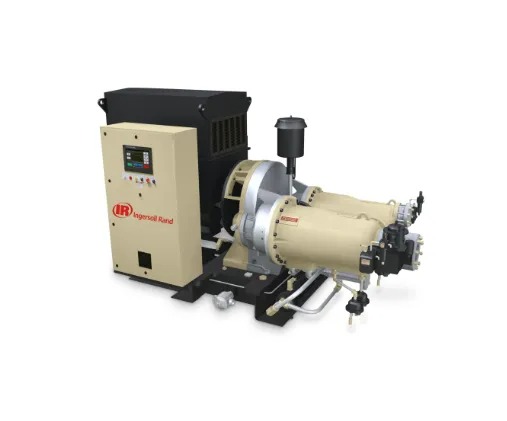
A comprehensive guide to optimizing large-scale industrial pneumatic systems through strategic dynamic compression technology selection.
Understanding the Power of Centrifugal Compression
In the landscape of modern heavy industry, the demand for high-volume, reliable, and oil-free compressed air is more critical than ever. Large manufacturing plants, chemical processing facilities, and textile mills require a steady stream of energy to power their operations. This is where the centrifugal air compressor stands out as the ultimate solution for high-capacity needs. Unlike positive displacement machines like screw or reciprocating compressors, centrifugal units utilize dynamic compression to convert kinetic energy into pressure. This process allows for significantly higher flow rates and superior efficiency in large-scale applications.
Selecting the right equipment is not merely a procurement task; it is a strategic investment in the facility productivity. A well-chosen system reduces operational downtime and slashes energy consumption, which often accounts for over 80% of the total cost of ownership. As industries move toward greener standards, the ability of a centrifugal air compressor to provide ISO Class 0 certified oil-free air makes it the preferred choice for sectors where air purity is non-negotiable, such as electronics and pharmaceuticals.
Key Technical Factors in Selection
When evaluating a centrifugal air compressor, the first parameter to consider is the base load requirement of your facility. These machines are most efficient when operating at full capacity, making them ideal for base load service in large plants. You must analyze your peak demand versus your average demand. If your air consumption fluctuates wildly, a combination of a centrifugal unit for the base load and several rotary screw compressors for trim load might be the most cost-effective architecture.
Pressure and flow characteristics are the DNA of the selection process. Centrifugal compressors are typically designed for specific flow ranges and pressure ratios. It is vital to consult with experts to ensure the impeller design and diffuser geometry are optimized for your specific altitude, humidity, and ambient temperature. Improper sizing can lead to "surge," a condition where the compressor cannot maintain the required pressure, causing flow reversal and potential mechanical damage. Modern controllers, such as the Ingersoll Rand Xe-series, provide sophisticated monitoring to prevent these issues, ensuring the longevity of your investment.
Furthermore, the cooling system plays a pivotal role. Most industrial centrifugal units are multi-stage machines with intercoolers between each stage. Efficient cooling reduces the work required for the next compression stage, thereby increasing overall thermodynamic efficiency. Whether you choose water-cooled or air-cooled configurations will depend on your facility existing utility infrastructure and environmental regulations regarding water usage.
The Importance of Oil-Free Air Quality
In sensitive industrial environments, even a microscopic amount of oil contamination can lead to catastrophic product recalls or equipment failure. The centrifugal air compressor inherently offers a major advantage here because the air stream does not come into contact with lubricant in the compression chambers. This simplifies the filtration downstream and ensures that your processes remain pure. Industries like food and beverage packaging or semiconductor manufacturing rely on this technology to maintain strict hygiene and quality standards.
Beyond product safety, oil-free air reduces the pressure drop across filtration systems. Traditional oil-flooded systems require heavy-duty coalescing filters that inevitably cause a drop in pressure, forcing the compressor to work harder to compensate. By eliminating oil at the source, the centrifugal design allows for a leaner, more efficient air treatment chain. This results in lower maintenance costs as there are no oil separators to replace and less oil-contaminated condensate to treat before disposal.
Long-term Efficiency and Sustainability
Energy efficiency is the primary driver for the adoption of centrifugal technology. While the initial capital expenditure for a centrifugal air compressor may be higher than other types, the payback period is often surprisingly short due to the lower energy per unit of air delivered. Many modern units feature variable inlet guide vanes (IGVs) that allow the machine to throttle back efficiently during periods of lower demand without losing significant pressure, providing a wider operating range than older designs.
Reliability is the second pillar of value. With fewer moving parts in the compression stages—specifically, no wearing parts like rotors or valves—the mechanical integrity of these machines is exceptionally high. When maintained with high-quality lubricants like Techtrol Gold and monitored by advanced digital interfaces, a centrifugal unit can operate for decades. This durability translates to a lower lifecycle cost and provides plant managers with the peace of mind that their air supply is secure.
Why Partner with Biaofang for Your Compressed Air Needs
At Biaofang, we understand that every industrial application has unique challenges. We are not just a supplier; we are your technical partner in optimizing air systems. Our expertise spans across the most reliable brands and technologies in the world. We specialize in providing the high-performance centrifugal air compressor solutions that modern industry demands. From the robust MSG Centac series to specialized components, our catalog is designed to ensure your facility never stops moving.
Our product range includes industry-leading models such as the MSG Centac C800 and the high-capacity Centac C3000. We also provide a full suite of alternatives for different scales of operation, including oil-free rotary screw air compressors for medium-sized tasks and reciprocating compressors for high-pressure specialty needs.
The Biaofang advantage lies in our comprehensive support. We offer genuine Ingersoll Rand air compressor parts and specialized lubricants such as Techtrol Gold to ensure your centrifugal units operate at peak efficiency. Whether you need a complete new installation or a critical service kit for your existing centrifugal air compressor, our team of specialists is ready to provide the expertise you need to reduce operating costs and increase reliability.
Extensive inventory of MSG Centac and C-Series models.
Expert technical guidance on system sizing and integration.
Comprehensive range of genuine parts and lubricants.
Conclusion
Choosing the right centrifugal air compressor is a multi-faceted decision that requires a deep understanding of your facility current needs and future growth. By focusing on air quality, energy efficiency, and mechanical reliability, you can secure a system that provides a significant competitive advantage. As we have explored, the integration of advanced technologies and the support of an expert partner like Biaofang are key to maximizing the return on your investment. In the world of high-volume air, the centrifugal machine remains the gold standard for performance and sustainability.
Ready to elevate your industrial efficiency?
Contact Biaofang Experts TodayFrequently Asked Questions
Q1: What are the main benefits of using a centrifugal air compressor in manufacturing?
The main benefits include extremely high energy efficiency at base loads, the provision of 100% oil-free air, and low maintenance requirements due to fewer wearing parts. A centrifugal air compressor is designed for continuous operation, making it perfect for 24/7 manufacturing environments that require large volumes of air without the risk of contamination.
Q2: How often should a centrifugal air compressor undergo major maintenance?
While daily monitoring of vibrations, temperatures, and pressures is essential, a major inspection typically occurs every several years depending on the operating hours and environment. Using high-quality lubricants like Techtrol Gold can extend service intervals. Regular oil analysis and cooling system cleaning are vital to keep a centrifugal air compressor running at peak performance.
Q3: Is a centrifugal air compressor suitable for small-scale operations?
Generally, no. A centrifugal air compressor is most efficient at high flow rates (typically above 1000 CFM). For small-scale operations with fluctuating demand, a rotary screw compressor is usually more appropriate. Centrifugal technology is specifically engineered for the high-demand requirements of large industrial facilities.
Q4: Can a centrifugal air compressor handle variable demand?
Yes, but with limitations. Modern units use inlet guide vanes to manage flow, but they have a "turn-down" limit before reaching a surge point. For systems with extreme variability, it is common to use a centrifugal air compressor for the steady base load and supplement it with screw compressors to handle the peaks and valleys.
Q5: How does a centrifugal air compressor ensure air purity?
The air purity is ensured by the design of the compression chamber. Since the impellers do not require oil for sealing or cooling, and the lubricant is kept strictly within the gearbox by high-performance seals, the centrifugal air compressor provides naturally oil-free air, meeting ISO Class 0 standards without the need for intensive oil-removal filtration.