

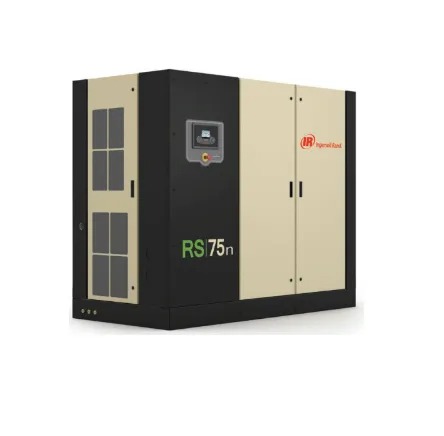
In the modern industrial landscape, compressed air is often referred to as the fourth utility. Among the various technologies available, oil-flooded screw air compressors have emerged as the backbone of heavy-duty manufacturing and industrial processes. These machines are prized for their ability to provide a continuous flow of air with high efficiency and relative silence. However, the sophisticated engineering behind oil-flooded screw air compressors requires a disciplined maintenance approach to ensure that they operate at peak performance throughout their intended lifecycle. Neglecting minor symptoms can lead to catastrophic mechanical failures, increased energy consumption, and costly operational downtime.
Maintenance is not merely a reactive measure to fix what is broken; it is a proactive strategy to preserve the integrity of the compression cycle. Because oil-flooded screw air compressors utilize lubricant for sealing, cooling, and lubricating the rotors, the quality and condition of that oil are paramount. In this comprehensive guide, we will explore the essential maintenance protocols that operators must implement. By adhering to these standards, facilities can maximize the return on investment for their machinery while ensuring a safe and productive working environment. As a trusted provider, Biaofang remains committed to assisting industries in achieving these high standards of operational excellence.
The Foundation of Daily and Weekly Routine Inspections
A successful maintenance program for oil-flooded screw air compressors begins with consistency. Daily inspections are the first line of defense against unexpected breakdowns. Operators should start every shift by checking the oil level while the machine is at rest or in its designated check-state. Since the oil in these systems performs the critical task of absorbing the heat of compression, running with low oil levels can lead to rapid overheating and potential rotor damage. Additionally, observing the control panel for any active warnings or service indicators is crucial. Modern systems often provide real-time data on discharge pressure and temperature, which are key indicators of the internal health of the unit.
Moving into weekly checks, the focus shifts toward identifying potential environmental hazards and structural leaks. Inspecting the entire system for oil or air leaks is vital. Even a small air leak can significantly increase the load on the machine, leading to higher electricity bills and unnecessary wear. Operators should also verify the functionality of the condensate drains. If moisture accumulates in the system because the drains are clogged, it can emulsify the lubricant, destroying its ability to protect the metal surfaces. Keeping the exterior of the compressor clean and ensuring that the ventilation of the compressor room is unobstructed are simple yet effective ways to maintain the efficiency of oil-flooded screw air compressors.
Lubrication and Filtration System Management
The defining characteristic of oil-flooded screw air compressors is the presence of lubricant during the compression process. This oil must be filtered with extreme precision to prevent particulate matter from scoring the high-precision rotors. The oil filter and the air-oil separator are the two most critical components in this circuit. The separator element is responsible for stripping the oil from the air before it exits the machine. Over time, this element becomes saturated or clogged with contaminants, leading to a higher pressure drop across the separator. This forces the motor to work harder, consuming more energy for the same air output. Replacing these elements according to the manufacturer’s intervals is non-negotiable.
Beyond filters, the air intake filter deserves special attention. Oil-flooded screw air compressors ingest massive volumes of ambient air. If the intake filter is dirty, it creates a vacuum that pulls more contaminants into the oil circuit and reduces the overall volumetric efficiency of the compressor. Furthermore, the chemical stability of the lubricant itself must be monitored. In harsh environments with high humidity or chemical fumes, the oil can break down faster than expected. Utilizing high-quality lubricants, such as those provided by Biaofang, ensures that the viscosity remains stable even under high-temperature conditions. Regular oil analysis is recommended for large installations to determine the exact state of the lubricant and prevent the formation of varnish within the screw airend.
Optimizing the Cooling System and Heat Exchange
Thermal management is perhaps the greatest challenge in the operation of oil-flooded screw air compressors. The process of compression generates significant heat, which is transferred to the oil. This oil then passes through an aftercooler or a heat exchanger. If the cooler surfaces are coated in dust or industrial grime, the heat exchange efficiency plummets. This results in higher discharge temperatures, which can trigger safety shutdowns. Cleaning the coolers using compressed air or specialized cleaning agents is a fundamental task that should be performed quarterly, or more frequently in dusty environments like textile mills or cement plants.
The cooling fan and its drive system must also be inspected. For belt-driven fans, proper tensioning is necessary to prevent slippage. For motor-driven fans, ensuring that the motor is running within its specified amperage is important for preventing electrical failures. In water-cooled oil-flooded screw air compressors, the quality of the cooling water is the primary concern. Scale buildup inside the water passages can restrict flow and insulate the heat, leading to overheating. Maintenance teams should check water flow rates and treat the water to prevent corrosion and mineral deposits. A well-cooled compressor is not only more reliable but also more energy-efficient, as the air is denser and easier to compress at lower temperatures.
Calibrating Control Systems and Electrical Components
The "brain" of modern oil-flooded screw air compressors is the electronic controller. These systems monitor dozens of parameters every second to ensure safe operation. However, the accuracy of these systems depends entirely on the calibration of sensors and transducers. Over time, pressure sensors and temperature probes can drift, leading to false readings or, worse, failing to detect a real problem. Periodically verifying these readings with manual gauges is a best practice. Additionally, the electrical cabinet should be inspected for loose connections. Vibration from the compressor can loosen terminals over time, which can cause localized heating and eventual failure of contactors or motor starters.
Software updates and setting adjustments also play a role in maintenance. If the demand for air in your facility has changed, the pressure settings on your oil-flooded screw air compressors should be adjusted accordingly. Running a compressor at a higher pressure than necessary is a massive waste of energy. Furthermore, for units equipped with Variable Speed Drives (VSD), the cooling of the inverter itself is critical. Maintenance personnel should ensure that the VSD filters are clean and that the internal fans are operational. By integrating sophisticated monitoring and maintaining the electrical integrity of the unit, you protect the most expensive components, such as the motor and the airend, from electrical stress and premature failure.
Biaofang: Expert Solutions for Compressed Air Systems
When it comes to sourcing reliable parts and expertise for industrial machinery, Biaofang stands as a leader in the field. We specialize in providing high-quality solutions for various air compression needs, with a particular focus on oil-flooded rotary screw compressors. Our extensive inventory includes everything from complete machines to intricate service kits designed to keep your operations running smoothly. We understand that every minute of downtime costs money, which is why we offer genuine and high-quality replacement parts that meet or exceed OEM standards.
Biaofang’s expertise extends to world-renowned brands, providing specialized support for Ingersoll Rand oil-flooded rotary screw compressors. Whether you need a specific oil-flooded screw air compressor part or a complete system overhaul, our team of technical specialists is ready to provide the insights and components required for success. By choosing Biaofang, you are not just buying a product; you are gaining a partner dedicated to the longevity and efficiency of your compressed air infrastructure.
Conclusion
Maintaining oil-flooded screw air compressors is a multifaceted task that requires attention to detail, a disciplined schedule, and the use of high-quality replacement parts. From the initial daily checks of oil levels to the complex calibration of electronic control systems, every step plays a vital role in ensuring that the compressor remains a reliable asset for the facility. The benefits of such a program are clear: reduced energy costs, fewer emergency repairs, and a significantly longer lifespan for the equipment.
In conclusion, while the complexity of these machines might seem daunting, following a structured maintenance guide simplifies the process and empowers operators to take control of their equipment's health. By partnering with experts like Biaofang and utilizing the right tools and parts, you can ensure that your oil-flooded screw air compressors continue to provide the power your industry needs for years to come. Consistency, quality, and vigilance are the keys to maximum performance.
Frequently Asked Questions
Q1: How often should oil-flooded screw air compressors be serviced?
Typically, a minor service including oil and filter changes should occur every 2,000 to 4,000 operating hours, depending on the lubricant used and the environmental conditions.
Q2: What is the most common cause of high temperature in oil-flooded screw air compressors?
The most common causes are dirty oil coolers, low oil levels, or a malfunctioning thermostatic valve that fails to direct oil through the cooling circuit.
Q3: Can I use any hydraulic oil in my oil-flooded screw air compressors?
No. You must use specialized compressor lubricants. These oils are formulated to handle high temperatures and separate quickly from air, which standard oils cannot do.
Q4: Why is moisture a problem for oil-flooded screw air compressors?
Moisture can cause the oil to emulsify, losing its lubricating properties. It also leads to corrosion within the airend and can damage downstream equipment.
Q5: Where can I find genuine parts for oil-flooded screw air compressors?
Biaofang provides a wide range of genuine and high-quality aftermarket parts specifically designed for major brands of oil-flooded screw air compressors.
Ready to Optimize Your Performance?
Contact Biaofang today for expert advice, high-quality parts, and reliable service for all your industrial air compressor needs.