

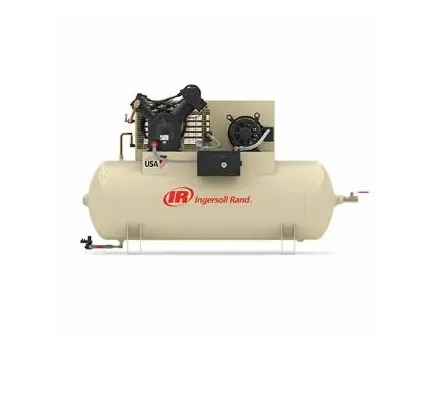
A comprehensive guide to understanding the enduring legacy and technical advantages of piston-driven compression technology in modern industry.
Introduction to Piston Technology
In an era dominated by rapid technological shifts, the reciprocating air compressor remains a cornerstone of industrial and automotive applications. Often referred to as a piston compressor, this technology utilizes a crankshaft-driven piston to deliver air at high pressures. Despite the emergence of rotary screw and centrifugal alternatives, the specific mechanical advantages of the reciprocating design ensure its continued relevance. From small automotive workshops to heavy-duty industrial processing plants, the ability to generate significant force with a relatively simple mechanical footprint is unmatched. Understanding why this technology persists requires a deep dive into its efficiency profiles, maintenance cycles, and the specialized roles it plays in various power-dependent sectors.
The legacy of the reciprocating air compressor is built upon a foundation of reliability and high-pressure capability. Unlike other designs that may struggle with intermittent use or extreme pressure requirements, the piston-driven model thrives in environments where air demand varies. This adaptability makes it the preferred choice for applications requiring high-pressure discharge in small to medium volumes. As we analyze the modern landscape, it becomes clear that the evolution of materials and precision engineering has only strengthened the position of these machines. Manufacturers like Biaofang continue to refine these systems, ensuring that they meet the rigorous energy efficiency standards of the 21st century while maintaining the rugged durability that defined their early iterations.
The Mechanics of Enduring Performance
The fundamental operation of a reciprocating air compressor involves a cycle of intake, compression, and discharge. This positive displacement principle allows the machine to capture a specific volume of air and reduce its space to increase pressure. One of the primary reasons for its sustained use is the thermal efficiency found in multi-stage units. By incorporating intercoolers between compression stages, the air temperature is managed, reducing the work required for the subsequent stage and preventing excessive wear on internal components. This mechanical transparency allows engineers and technicians to easily monitor performance and predict maintenance needs, a factor that contributes significantly to the total cost of ownership over the machine's lifespan.
Furthermore, the versatility in drive systems—ranging from electric motors to gas or diesel engines—allows these compressors to operate in remote locations where consistent electrical power might be unavailable. The robustness of the internal valves and piston rings has seen significant improvement through modern metallurgy. Today's units are designed to withstand the intense friction and heat generated during high-pressure cycles. This resilience is why the technology remains the standard for high-pressure applications, such as PET bottling, scuba tank refilling, and high-stakes industrial manufacturing where failure is not an option. The simplicity of the design also means that replacement parts are readily available and the mechanical skills required for repair are widespread among industrial mechanics.
Strategic Advantage in High-Pressure Applications
When discussing industrial power, pressure is often the deciding factor in equipment selection. The reciprocating air compressor excels in providing discharge pressures that far exceed the capabilities of standard single-stage rotary screw units. In specialized fields like oil and gas exploration or chemical processing, pressures reaching several thousand PSI are required. Piston technology is uniquely suited for these demands because the displacement is physical and contained, allowing for the extreme compression ratios necessary for such work. This niche dominance ensures that even as rotary technology advances, the piston will always have a seat at the table for specialized, high-intensity tasks.
From a professional consultancy perspective, the choice of a reciprocating unit often hinges on the "duty cycle." While rotary compressors are designed for 100% continuous run-time, many industrial processes require air only in bursts. A reciprocating unit is significantly more efficient for these "start-stop" operations. It can reach full pressure quickly and then shut down completely, consuming zero energy during idle periods. This makes it an environmentally and economically superior choice for facilities with fluctuating air demands. At Biaofang, we emphasize matching the specific air profile of a client's facility with the right technology to maximize long-term ROI and minimize energy waste.
Quantifiable Improvements in Modern Systems
Modern iterations of these machines have integrated smart technology to further enhance their value. Electronic controllers now monitor oil levels, temperature, and vibration, providing real-time data that prevents catastrophic failures. The integration of high-quality lubricants has also extended the interval between service requirements. By reducing internal friction, these lubricants ensure that the pistons operate at peak efficiency for longer periods. Additionally, sound attenuation technology has addressed one of the traditional drawbacks of piston compressors: noise. Today's enclosed models operate at decibel levels that are comfortable for indoor installation near workstations, a significant leap from the loud, vibrating units of the past.
Lower Initial Investment: Compared to centrifugal or high-end rotary systems, the purchase price for a piston unit is much more accessible for growing businesses.
Superior Pressure Range: Capable of reaching pressures that other technologies simply cannot achieve without excessive complexity.
Simplified Maintenance: Most repairs can be performed on-site by standard maintenance teams without needing specialized factory technicians.
Biaofang: Your Partner in Compressed Air Excellence
At Biaofang, we understand that every industrial application has unique demands. We specialize in providing high-quality compression solutions that range from complete machines to genuine spare parts. Our expertise allows us to support various technologies, ensuring that our clients have the most efficient systems for their specific needs. Whether you are looking for a new installation or seeking to optimize an existing setup, our team is equipped with the knowledge and inventory to provide immediate value.
Our product catalog includes industry-leading options such as the Ingersoll Rand reciprocating air compressor, known for its legendary durability. We also offer specialized models like the Ingersoll Rand T30 and high-pressure workhorses such as the 2475 two-stage piston air compressor. For those requiring different compression principles, we provide a full range of reciprocating compressor products and oil-flooded rotary screw compressors to suit any operational requirement.
Choosing Biaofang means gaining access to a massive inventory of genuine parts, from Ingersoll Rand parts to specialized GHH Rand air ends. We pride ourselves on our technical support, helping you maintain peak efficiency and minimize downtime. Our commitment to quality is evident in every product we ship, ensuring that your reciprocating air compressor continues to deliver reliable performance for years to come.
Frequently Asked Questions
Q1: What are the primary benefits of a reciprocating air compressor?
The primary benefits include a lower initial purchase price, the ability to reach very high pressures, and a simplified mechanical design that makes maintenance straightforward. It is also exceptionally efficient for intermittent duty cycles where the compressor does not need to run continuously.
Q2: How often should you maintain your reciprocating air compressor?
Standard maintenance for a reciprocating air compressor typically involves checking oil levels daily, cleaning air filters weekly, and performing a full oil and filter change every 500 to 1,000 hours of operation, depending on the environment and the manufacturer's specific guidelines.
Q3: Is a reciprocating air compressor suitable for continuous operation?
While they can handle heavy workloads, most piston units are designed for a 60-70% duty cycle to allow for proper heat dissipation. For 100% continuous operation, a rotary screw model might be more appropriate, though high-end multi-stage reciprocating units can be engineered for longer run times.
Q4: How does a reciprocating air compressor compare to a rotary screw model?
A reciprocating air compressor is generally better for high-pressure, low-volume, and intermittent tasks, whereas a rotary screw is optimized for constant, high-volume air flow at lower pressures. The reciprocating unit is usually more cost-effective for smaller operations or specific high-pressure needs.
Q5: Where can I find genuine parts for my reciprocating air compressor?
Genuine parts are best sourced from authorized distributors like Biaofang. We provide authentic components for Ingersoll Rand and other leading brands to ensure that your reciprocating air compressor maintains its factory-specified performance and safety standards.
Optimize Your Industrial Power Today
Don't let inefficient air systems slow down your production. Whether you need a robust reciprocating air compressor or high-precision parts, Biaofang is here to help.